
SK hynix posts record quarter as AI memory demand surges: what the results show
SK hynix reported record third-quarter revenue of 104.62 trillion won and operating profit of 83.33 trillion won, with an 80% operating margin. HBM4 and high-value server memory sales expanded, and the company says long-term agreements cover more than half of planned 2027-28 capacity. The results confirm unusually strong demand today, but do not guarantee that prices or margins will remain at these levels.
Bayna Markets is a financial markets news and analysis platform.
Popular search topics
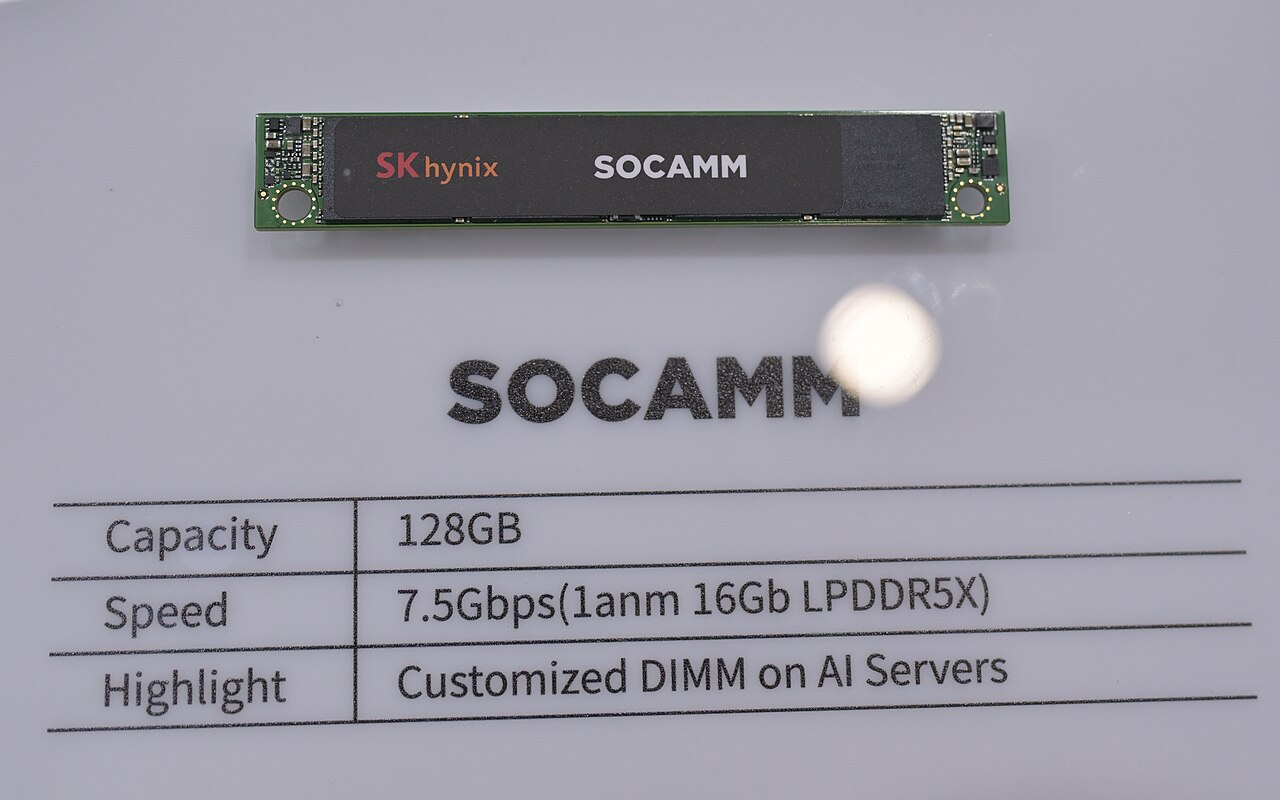
Image: 4300streetcar / Wikimedia Commons · CC BY 4.0 (https://creativecommons.org/licenses/by/4.0/)
On October 28, SK hynix reported preliminary record results for the third quarter of 2026: revenue of 104.6155 trillion won and operating profit of 83.3338 trillion won. Revenue rose 32% and operating profit 38% from the previous quarter, producing an 80% operating margin. Year over year, the company reported increases of about 328% in revenue and 632% in operating profit. These are preliminary figures; the independent review has not been completed, so they remain subject to change.
The company attributed the performance to higher prices for key memory products as AI-related demand grew, alongside a richer mix of high-value products. In DRAM, it cited stronger server DDR5 sales and the start of HBM4 shipments. In NAND, sales of 321-layer enterprise SSDs for data centers expanded. The data-center investment cycle therefore reaches beyond graphics processors: AI servers also require substantial quantities of high-bandwidth memory and storage.
HBM4 is the key product transition to watch. SK hynix says shipments have begun and expects HBM4 to become its mainstream product in the fourth quarter, surpassing HBM3E in both volume and revenue. That is management’s outlook, not a result already achieved. The company plans to expand HBM4 output while building out products such as DDR5 and LPDDR5 SOCAMM for AI servers. Delivering the required products at scale and on schedule will matter as much as the demand being discussed.
Looking further ahead, the company says long-term supply agreements cover more than 50% of planned production capacity for 2027 and 2028. Such contracts can improve demand visibility and help guide investment. They do not establish that all output is reserved at fixed prices or that present margins are locked in: the announcement does not disclose customer-level pricing or detailed cancellation terms. The figure is best read as evidence of multiyear supply commitments, not as a guarantee of future revenue or profit.
SK hynix also outlined shareholder returns of about 100 trillion won for 2026, combining dividends and share repurchases. Its board approved a 20 trillion won buyback, with a specified portion to be cancelled. The program highlights cash generation, but it should be considered alongside the capital spending needed to expand production. In a cyclical, capital-intensive industry, balancing factories and equipment against cash distributions is an important part of the investment case.
Investors welcomed the release. The Associated Press reported that SK hynix shares rose about 7% in Seoul after the results, alongside gains in the Kospi. One session’s move does not establish the future direction of earnings. For global technology, the report offers tangible evidence that AI investment is currently supporting memory suppliers. It also leaves valuations exposed to any slowdown in cloud-company spending or delays in data-center construction.
The risks are material. Memory pricing has historically been cyclical, and added supply or a shift in product mix can put pressure on prices. Expansion requires time, energy and specialized equipment; technology changes and competition can alter market shares. Operating profit is not the same as net income: SK hynix reported net income of 39.7756 trillion won, below the prior quarter, despite higher operating profit. That gap is a reminder that items outside core operations also affect the bottom line.
The takeaway is that third-quarter results confirm exceptional current momentum at SK hynix and the growing importance of memory in the AI supply chain. They do not prove that the earnings surge is permanent or that the shares are undervalued. Investors can monitor pricing, contract terms and delivery volumes, HBM4 production, factory investment, competitors’ results and the company’s final audited figures. This analysis uses information available on October 28, 2026; it is not investment advice or a share-price forecast.
Sources
- SK hynix: النتائج المالية الرسمية للربع الثالث 2026
- Yonhap: نتائج SK hynix القياسية ومحركات نمو الذاكرة
- AP: تفاعل الأسواق الآسيوية مع نتائج SK hynix
Sources checked:


